
The Most Underrated Companies To Monitor In The Kitchen Hood Industry
페이지 정보
작성자 Linette 작성일26-02-18 02:04 조회2회 댓글0건관련링크
본문
Kitchen Hood Extractor Fan: An Essential Appliance for Modern Cooking
In the heart of every home lies the kitchen, a place where cooking creativity flourishes, and delicious aromas permeate the air. Nevertheless, with deliciousness typically comes the difficulty of smoke, grease, and unwanted smells. This is where the kitchen hood extractor fan enters into play-- an essential appliance developed to ensure your cooking environment stays fresh and satisfying.
What Is a Kitchen Hood Extractor Fan?
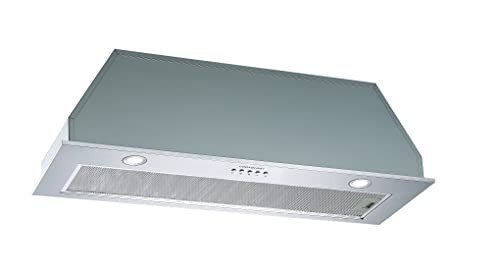
A kitchen hood extractor fan, likewise known just as a range hood or cooker hood, is a gadget set up above the cooking location to ventilate and purify the air. By removing air-borne grease, smoke, steam, and odors, these fans not just enhance indoor air quality but also avoid undesirable biological responses, such as mold development or remaining aromas.
Types of Kitchen Hood Extractor Fans
There are numerous kinds of kitchen hood extractor fans, each suited to different kitchen layouts and user needs. Below is a comparison that highlights the most typical types:
| Type | Description | Pros | Cons |
|---|---|---|---|
| Wall-Mounted Hoods | Set up versus a wall, normally above the stove. | Space-saving; modern visual. | Requires wall space; may restrict height. |
| Island Hoods | Suspended from the ceiling above an island cooktop. | Appealing; efficient for open designs. | Setup intricacy; more costly. |
| Under-Cabinet Hoods | Installed below kitchen cabinets, straight above the stove. | Less noticeable; blends into design. | Limited ventilation location. |
| Downdraft Hoods | Retractable vents that rise from the counter top. | Discreet; perfect for minimalist styles. | Less reliable suction; higher rate. |
| Professional Hoods | Durable designs used in commercial kitchens. | High extraction rates; durable. | Noisy; needs substantial setup space. |
Which Type is Right for You?
Choosing the ideal kitchen hood extractor fan depends upon numerous factors:
- Kitchen Layout: Consider whether your stove is on a wall, island, or integrated into a cabinet.
- Ventilation Needs: Evaluate just how much cooking you do. If you often fry or grill foods, a more powerful extractor fan may be important.
- Aesthetics: Depending on your kitchen style, you might choose a modern look or something that blends flawlessly with your kitchen cabinetry.
Benefits of Installing a Kitchen Hood Extractor Fan
The setup of a kitchen hood extractor fan offers many advantages:
Improved Air Quality: By getting rid of pollutants, smells, and excess moisture, these fans help maintain a much healthier kitchen environment.
Protection of Surfaces: They avoid grease and smoke from picking cabinets, walls, and counter tops, maintaining the appearance and durability of your kitchen components.
Comfortable Cooking: A well-ventilated kitchen keeps the air cooler and more manageable, especially throughout summer season or when preparing numerous meals.
Increased Property Value: Modern kitchens with quality appliances include to the appeal and market price of a home.
Compliance with Safety Standards: Proper ventilation minimizes the threat of carbon monoxide gas accumulation and fire threats from grease accumulation.
Setup Considerations
When purchasing a kitchen hood extractor fan, it's important to think about the setup process. Here is a step-by-step overview:
Determine the Right Size: The hood ought to be wider than the cooking surface area by at least 3 inches on each side.
Pick Ducted or Ductless: Ducted hoods vent air outside, while ductless hoods filter air and recirculate it. Ductless is often simpler to install.
Usage Professional Help: Although some might choose for DIY installation, employing a professional can ensure correct setup and compliance with structure codes.
Select the Right Height: Install wall-mounted hoods 24-30 inches above the cooking surface; island hoods must be 30-36 inches above.
FAQ about Kitchen Hood Extractor Fans
Q1: How do I tidy my kitchen hood extractor fan?A: Regular cleansing is important for keeping efficiency. Detach the hood, remove filters, and clean them using soap and warm water or a degreaser. Wipe the outside with moderate detergent. Q2: How frequently must I run my kitchen
hood extractor fan?A: It is advised to run the fan while cooking and for an additional 10-15 minutes afterward to remove recurring odors and moisture. Q3: What is the perfect CFM(Cubic Feet per Minute)for a kitchen hood?A: CFMs
depend upon the cooking activity. A basic guideline is 100 CFM for every linear foot of cooking surface. Heavy cooking might require 300 CFM or greater. Q4: Can I set up a kitchen hood myself?A: While DIY setup is possible, seeking advice from a specialist can make sure
compliance with security policies and expert-level setup. Q5: Are kitchen hood extractor fans noisy?A: Noise levels vary by design. Higher-end designs typically include noise-reducing functions. Think about looking at the sones
ranking when picking a fan. Purchasing a kitchen hood extractor fan is a wise option for anyone aiming to boost their cooking experience while enhancing air quality and looks. By understanding the numerous types,
advantages, and setup considerations, homeowners can make informed choices that align with their particular needs. Whether cooking for household or hosting pals, a well-ventilated kitchen is essential to keeping the cooking experience enjoyable and satisfying.
댓글목록
등록된 댓글이 없습니다.


최신댓글